New Cable Car Connection to Ease Access to Manila’s MRT 4 Corridor
The eastern Greater Manila Area faces persistent congestion along the Ortigas corridor, where more than 800,000 commuters travel daily, mostly by private vehicle. The planned Manila Metro Rail Transit Line 4 (MRT‑4) is expected to serve more than 400,000 passengers per day and improve regional mobility.
To support the development of MRT‑4, the Asian Development Bank (ADB) approved a regional transaction technical assistance facility (TA 9631‑REG). The objective of the project is to enhance MRT‑4’s development impact by expanding its catchment area through a cable‑car system connecting densely populated hillside communities in Antipolo to an MRT‑4 station.
Dorsch Asia, together with its partners, was awarded the contract to undertake the cable‑car pre‑feasibility study. Three potential alignments were assessed. The preferred option is approximately 5.4 km long and includes one top station, two intermediate stations, and one bottom station, all designed with a barrier‑free concept.
A detachable monocable system is proposed for this project. The initial system capacity is 3,000 passengers per hour per direction (PPHPD) and can increase to 4,500 PPHPD by adding cabins.
Disciplines
- Transport Planning
Companies
Dorsch Consult asia Co., Ltd.
Client
Asian Development Bank and Department of Transportation
Duration
From 2022 to 2023
Location
Manila, Philippines
Construction Sum
Approx. 80 million USD
Project Activities
- Determining traffic demand and ridership volume for a cable car connection. This included a travel mode choice survey and ridership estimation
- Preparing preliminary Economic and Financial Analysis. This included a 20-year business plan, OPEX, CAPEX, FIRR and EIRR
- Defining the most suitable cable car system for the proposed technical concept. This included comparison between different systems such as Mono Cable Detachable, Tri-cable Detachable, Aerial Tramway.
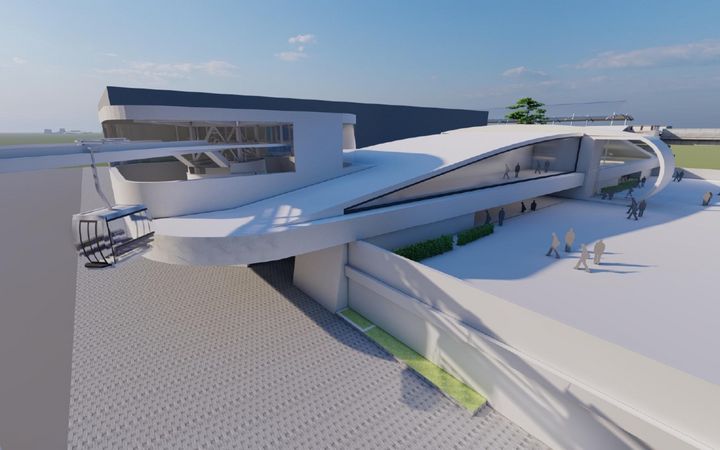
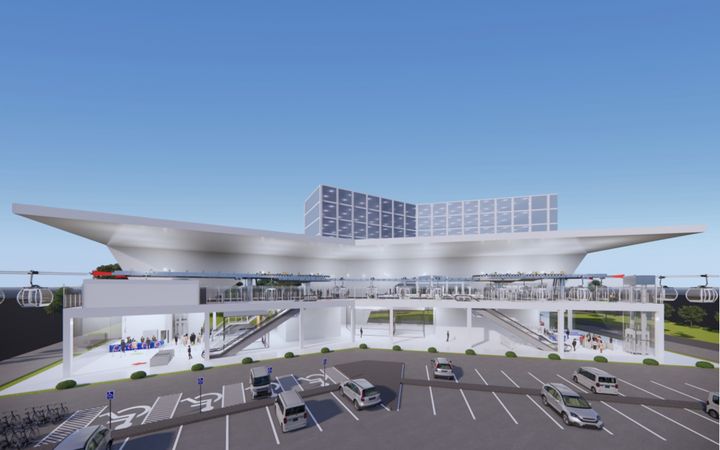
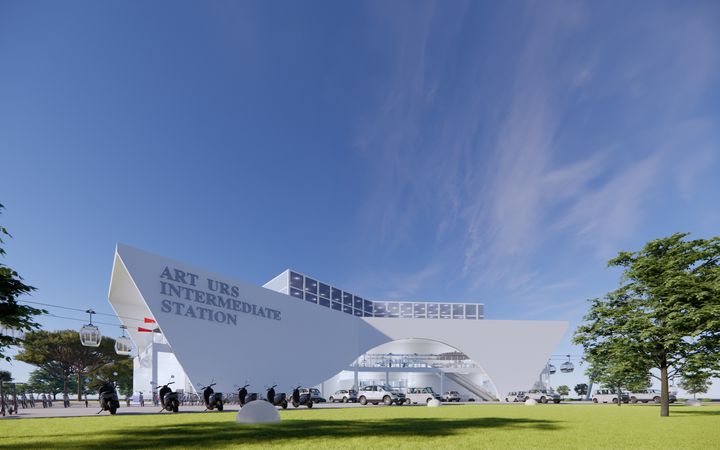
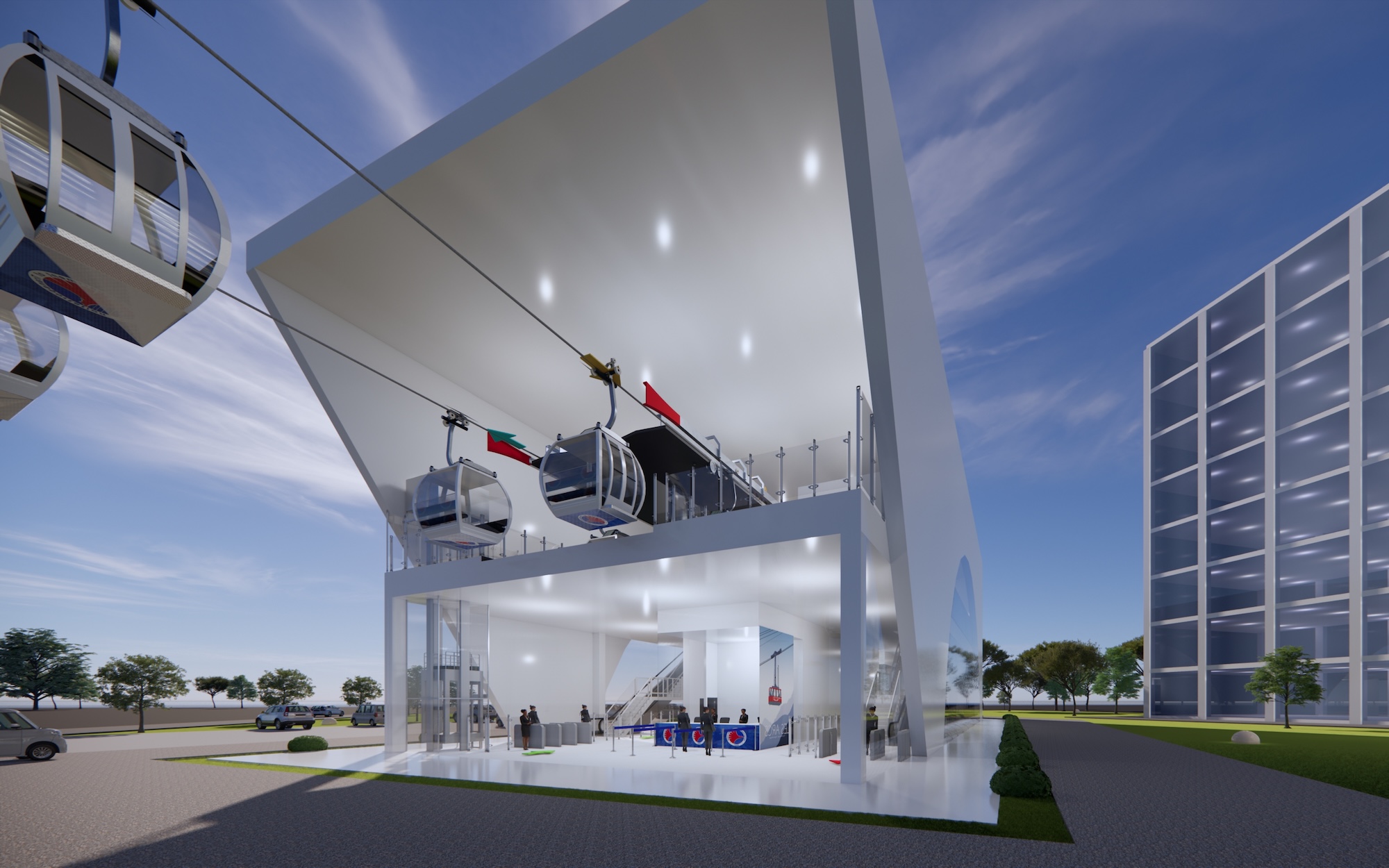
- Development of three different station concepts including the intermodal transfer concept, and preparation of station renderings.
- Organizational structure and implementation/operation arrangements including assessment of different PPP schemes and risk assignments.
Impact
Shifting part of the daily commuters from private vehicles to MRT‑4 and the cable‑car system helps reduce fuel consumption and greenhouse gas emissions. The detachable monocable system has low energy demand per passenger and requires minimal land take, limiting environmental disturbance.
The cable‑car system improves public transport access for densely populated hillside communities in Antipolo with limited road connectivity. Barrier‑free station design enhances accessibility for elderly passengers, persons with disabilities, and families with children. Shorter and more reliable travel times support safer and more predictable daily mobility.
Contributing to the UN Sustainable Development Goals
We are committed to making a positive impact and supporting the UN Sustainable Development Goals (SDGs). This project contributes to the following SDGs:

Companies

Project Images